We accept
Medicare Advantage plans to fit your dental needs.
Medicare Advantage plans to fit your dental needs.

Being fearful of a visit to the dentist is understandable. Many people are afraid of the tools used, as well as the uncertainty surrounding the cost of the visit and what could happen. Fortunately, having a basic understanding of what to expect can help you to reduce the nervousness you may feel about your upcoming visit.
While children tend to become excited about losing a tooth, adults are understandably anxious about it. Talking to a dentist in Middletown who understands that you need to be informed of costs, what to expect during a tooth extraction procedure, how to prepare for an extraction, and what will happen after the visit can help you feel better.
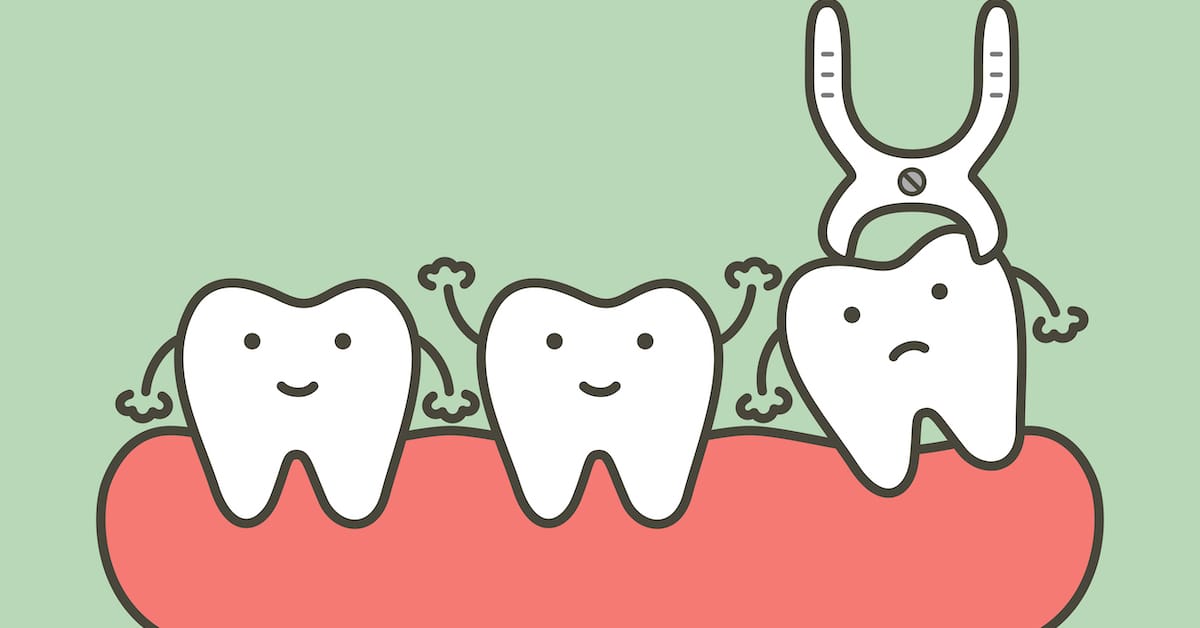
You may need a tooth extraction if your tooth is damaged, broken, or loose. This routine procedure consists of your dentist taking the affected tooth out of the bone socket. If you need this procedure, your dentist will help you to understand what to expect before, during and afterwards.
Your dentist will take an x-ray of your tooth so that an extraction plan can be developed. He or she will also talk to you about your medical history. This will be used to find the best sedation method for you. In the week before your extraction, you should maintain an open line of communication with your dentist. Inform him or her if you have nausea, vomiting, a cold, or nasal congestion. These conditions can impact your recovery from an extraction, so you may need to reschedule.
Tell your dentist in Middletown about any supplements or medications you take, as well as any medical conditions that can lead to a greater risk of infection. These medical conditions include:
The type of extraction procedure you need depends on if the tooth has fully emerged or not. A tooth that is completely or partially under the gums will need to be taken out via a surgical extraction. This procedure consists of a small cut being made in the gums so that the tooth can be removed. A tooth that is fully emerged can be removed via a simple extraction. This procedure involves the tooth being loosened and gently pulled out of the socket.
Your dentist will use a local anesthetic during your procedure. This ensures that you won’t feel any pain while your tooth is being removed. If you are having a surgical extraction, your dentist may utilize an intravenous anesthetic. Regardless of the anesthetic used, you should inform your dentist if you experience any pain during your procedure.
After the extraction has been performed by your dentist in Middletown, you will be given a piece of gauze to bite down on. This aids in the formation of a blood clot at the site. It also reduces bleeding. Depending on the complexity of your extraction, your dentist may opt to use self-dissolving stitches.
It’s important that you adhere to the following aftercare instructions:
Mild-to-moderate pain, bleeding, and swelling are normal. The following symptoms warrant a call to your dentist in Middletown:
Call your dentist in Middletown right away if you experience excessive pain, uncontrolled bleeding, intense swelling, redness, chills, fever or difficulty swallowing.
Most extraction sites heal within one to two weeks of the procedure. You can resume your normal dental care regimen once this period of time has passed.
Located at the back of the mouth, the wisdom teeth are a third set of molars that emerge during a person’s early adulthood. Some people never have their wisdom teeth come in, while others have plenty of room in their mouths for the additional teeth. However, some people have no room for the extra teeth. This can lead to a host of serious issues with their dental health. While preventive wisdom tooth extraction is popular, it’s not always necessary. Talk to an informed dentist in Middletown to determine the benefits, risks, and costs of the procedure.
The American Dental Association (ADA) makes the recommendation that the wisdom teeth be extracted when there is:
Preventive wisdom tooth removal is heavily debated amongst dentists. Some dentists believe it’s an unnecessary risk and expense, while others believe that it’s better to remove the extra teeth, so problems don’t develop later. Common reasons for preventive wisdom tooth extraction include:
The best way to make a decision about whether you should have your wisdom teeth removed is to consult with an affordable dentist in Middletown. He or she will be able to help you decide whether it’s necessary for you to have them taken out.