We accept
Medicare Advantage plans to fit your dental needs.
Medicare Advantage plans to fit your dental needs.

Do you want to preserve a healthy, beautiful smile? Then, you should also make your gum health a top priority. Ensuring the health of your gums is important for preventing gum disease. When you have healthy gums, you are also more likely to ensure a healthy smile for life and support your overall health. The Centers for Disease Control and Prevention (CDC) estimates that nearly half of all adults over the age of 30 have some form of gum disease. Keep reading to learn everything you can about the causes of gum disease, its symptoms, and how you can prevent it from ruining your beautiful smile.
Both periodontitis and gingivitis are types of gum disease. The primary difference between the two is that gingivitis can be successfully reversed with early treatment, but periodontitis can only be treated and managed to prevent further damage to your gum tissues and supporting bones.
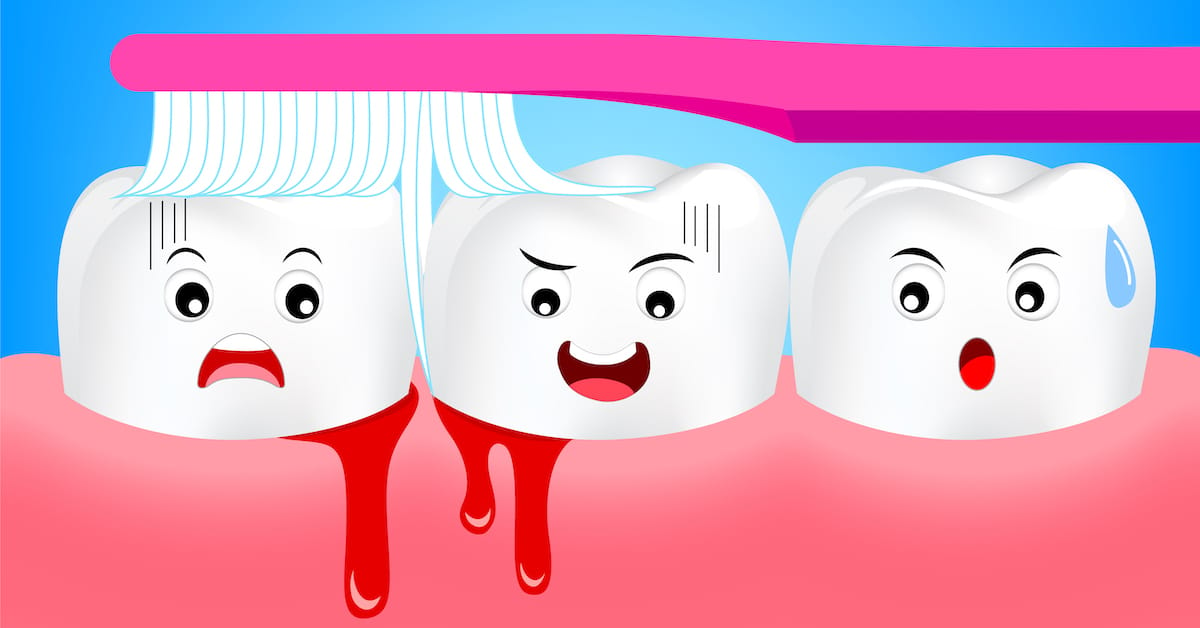
Dentists use the term gingivitis to describe inflammation of the gums caused by a build-up of bacteria in your mouth. If you have gingivitis, it's common to experience bright red gums that bleed easily when brushed or flossed. At this point in the gum disease progression, it can be reversed by maintaining a good oral health regimen at home and seeing your dentist for cleanings and exams.
Periodontitis occurs as gingivitis progresses, and it's much more severe in comparison to gingivitis. Chronic inflammation causes your gums to recede, or pull away from your teeth. This creates pockets between your teeth and gums where bacteria can build up. As the bones and soft tissues that support your teeth become irreversibly damaged, tooth loss can result if you don't receive treatment from a dentist. If you notice increased tooth sensitivity or experience pain while chewing, you might have periodontitis, and should visit with your dentist as soon as possible.
Poor oral hygiene is a leading cause of gum disease and bleeding gums. If you don't brush and floss each day, a sticky film called plaque accumulates on your teeth. Plaque contains bacteria, and if plaque isn't removed while it's still soft, it hardens into a thick material called tartar. If plaque and tartar spread below the gum line, they produce toxins that irritate and inflame gum tissue, promoting the development of gum disease.
Poor oral hygiene isn't the only cause of gum disease, and there are several lifestyle and risk factors that can contribute to its development. These include:
Many people have gum disease and aren't aware they have it. In many cases, the symptoms of gum disease aren't always obvious until the disease has progressed to an advanced stage. When symptoms do appear, they can range in severity depending on the stage of the disease. Take careful note of these signs of gum disease and talk to your dentist right away if you suspect gum disease:
Please contact our office to make an appointment if you have any of these symptoms of gum disease. With early treatment, it's possible to reverse gum disease before it progresses to an advanced stage.
You don’t have to accept gum disease as a part of your life. You can follow these tips to prevent the development of periodontal disease and keep your teeth and gums healthy for a lifetime: